Best Methods to Ensure Your Insurance Claim Gets Paid
Filing an insurance claim can feel overwhelming, especially after property damage, a storm, or another unexpected loss. Many policyholders assume that once they submit a claim, payment will automatically follow. Unfortunately, that is not always the case. Missing documents, reporting delays, or misunderstandings about coverage can slow down the process or even result in a denial.
Understanding the right steps to take can significantly improve your chances of success. Whether you are dealing with hurricane damage, water damage, or another covered loss in Florida, knowing how to navigate the insurance claim process can make a major difference.
This guide explains the best methods to help ensure your home insurance inspection is handled fairly and efficiently while protecting your rights as a policyholder.
1. Start by Understanding Your Coverage
One of the most common mistakes policyholders make is filing a claim without fully understanding what their policy covers. Before submitting a claim, carefully review your insurance policy documents. These documents explain:
- Covered losses
- Coverage limits
- Exclusions
- Deductibles
- Reporting requirements
Many homeowners discover coverage details only after a dispute arises. Taking time to review your policy beforehand helps you avoid surprises and prepares you for conversations with the insurance company. If any section seems unclear, ask questions and seek clarification before moving forward.
2. Report the Damage Promptly
Timing matters when it comes to claims. Most policies require policyholders to report damage within a reasonable timeframe. Waiting too long can raise concerns about the cause of the damage or whether additional issues developed after the original event.
After discovering a loss:
- Document the damage immediately.
- Notify your insurance company.
- Follow all reporting instructions.
Prompt action helps establish credibility and supports a smoother insurance claim process.
This is particularly important in locations where severe storms, hurricanes, and flooding events can simultaneously create a large volume of claims.
3. Document Everything Thoroughly
Strong documentation is one of the most effective ways to support a claim. Create a detailed record that includes:
- Photos of all damaged areas
- Videos showing the extent of the loss
- Receipts for damaged property
- Repair estimates
- Maintenance records when applicable
Keep organized copies of all communication related to the claim. Good documentation helps verify the damage and provides evidence if questions arise during the insurance claim process.
The more complete your records are, the easier it becomes to demonstrate the validity of your claim.
4. Keep Your Insurance Policy Documents Organized
Many claim delays occur because policyholders cannot quickly locate important information. Store your insurance policy documents in a secure location and keep digital copies whenever possible.
Important records may include:
- Policy declarations
- Coverage endorsements
- Renewal notices
- Prior claim records
- Correspondence from the insurance company
Having easy access to these materials allows you to respond quickly when questions arise. It also helps you verify whether the insurer's requests align with your policy terms.
5. Take Reasonable Steps to Prevent Further Damage
Most insurance policies require policyholders to protect property from additional harm after a loss occurs. For example:
- Cover roof openings with temporary tarps
- Remove standing water when safe
- Secure broken windows
- Protect undamaged belongings
Failing to prevent additional damage may complicate the claim. However, it is important not to perform permanent repairs before the insurance company has an opportunity to inspect the property unless emergency circumstances require immediate action.
Always document any temporary repairs and save receipts for related expenses.
6. Communicate Clearly With the Insurance Company
Good communication can help prevent misunderstandings and delays. When interacting with insurance representatives:
- Keep detailed notes
- Save emails and letters
- Record dates of conversations
- Confirm important discussions in writing
During the insurance claim process, organized communication creates a clear timeline and helps ensure important details are not overlooked. Professional and consistent communication often leads to a more productive claims experience.
7. Understand Florida Claim Requirements
Florida has specific laws and regulations designed to protect policyholders. While requirements can change over time, homeowners should be aware that claims are subject to deadlines and documentation requirements. In Florida, many homeowners also benefit from a wind mitigation inspection in Florida to identify storm-resistant features that may reduce insurance premiums and improve claim documentation.
For example, policyholders may need to:
- Report losses within the required timeframes
- Cooperate with inspections
- Provide the requested information
- Respond to insurer communications promptly
Understanding these responsibilities can help avoid unnecessary complications. Because insurance regulations evolve, staying informed about current law requirements is always a smart approach.
8. Be Present During Property Inspections
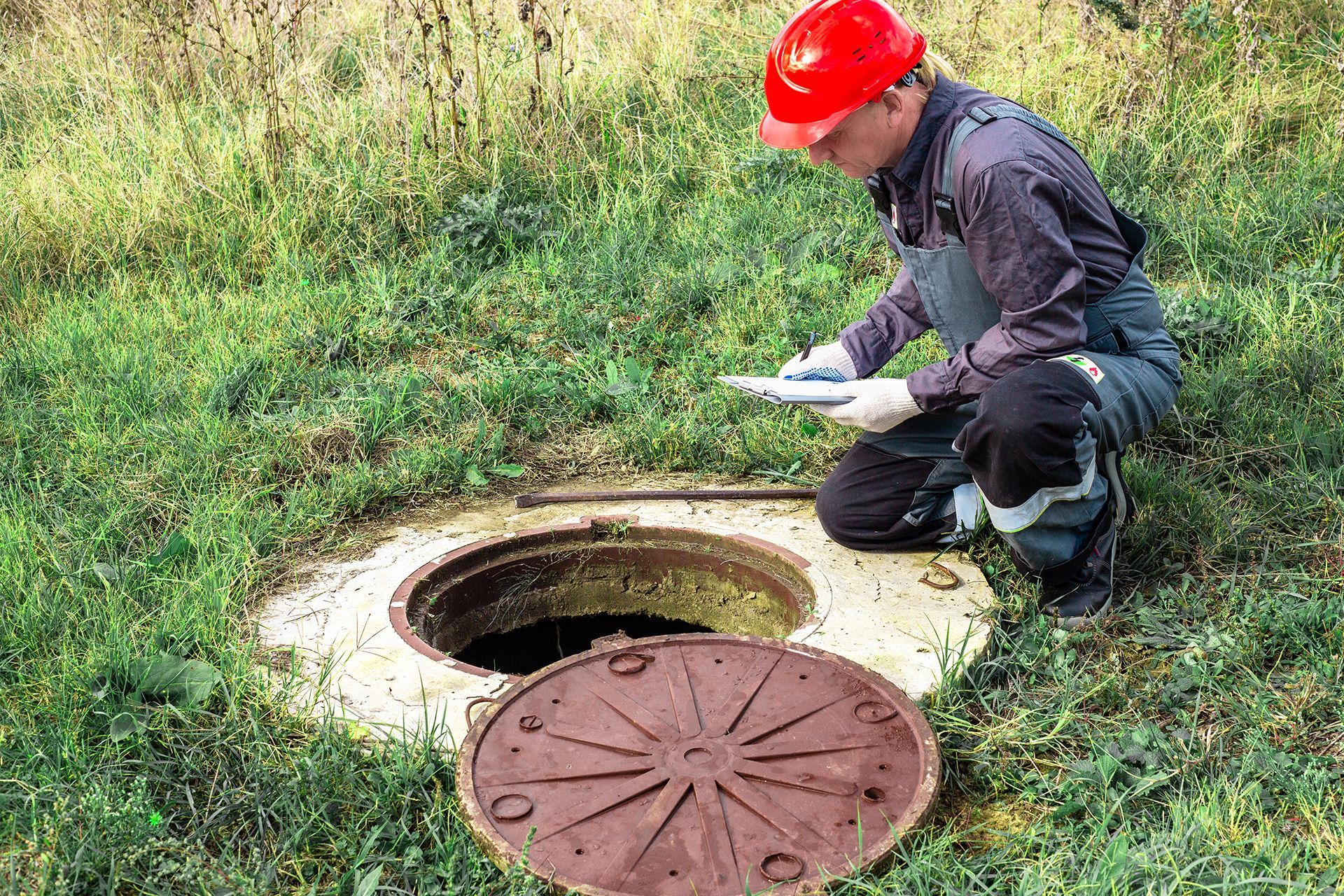
Insurance companies often send adjusters or inspectors to evaluate damage. Whenever possible, attend the inspection.
Being present allows you to:
- Point out all damaged areas
- Answer questions
- Provide supporting information
- Clarify concerns immediately
Do not assume every issue will be noticed automatically. Walking through the property with the inspector can help ensure a complete evaluation.
9. Maintain a Detailed Claim File
Creating a dedicated claim file can help keep everything organized. Include:
- Photos and videos
- Estimates
- Inspection reports
- Correspondence
- Notes from phone calls
- Copies of insurance policy documents
A complete file helps you track progress and respond quickly to requests. If disputes arise, organized records can become extremely valuable.
Review Settlement Offers Carefully
Receiving a settlement offer does not always mean the review process is complete. Before accepting any payment:
- Review the explanation carefully
- Compare it with your policy coverage
- Verify that all damages were considered
- Ask questions if something seems unclear
Many policyholders focus only on the payment amount without understanding how it was calculated. A careful review helps ensure the settlement reflects the covered damages outlined in the policy.
Know When to Seek Professional Guidance
Older properties may require a 4-point insurance inspection, which evaluates the roof, HVAC, plumbing, and electrical systems to support insurance approval decisions. Some claims involve complex damage, coverage disputes, or claim denials. In these situations, professional guidance may help you better understand your options.
Seeking assistance does not automatically mean there is a serious problem. It simply provides additional support when the claim becomes difficult to navigate.
Professionals can help review insurance policy documents, evaluate claim decisions, and explain available next steps.
Conclusion
Successfully navigating an insurance claim requires preparation, organization, and a clear understanding of your coverage. By maintaining accurate records, reviewing your insurance policy documents, communicating effectively, and following Florida claim requirements, you can strengthen your position and reduce the risk of delays or disputes.
Guardian Angel Inspections provides detailed property inspections that help policyholders document damage and better understand their property's condition following a loss. Our team is committed to providing clear guidance and practical support throughout every stage of the claim journey.
Schedule a consultation today to discuss your claim and better understand your available options.
FAQs
What should I do first after property damage occurs?
Document the damage with photos and videos, take steps to prevent further harm, and notify your insurance company as soon as possible.
Why are insurance policy documents important during a claim?
They explain your coverage, exclusions, reporting requirements, and policy limits, helping you understand what may be covered.
How can I improve my chances of receiving claim approval?
Report the loss promptly, maintain thorough documentation, communicate clearly, and follow all policy requirements.
Should I keep records of conversations with the insurance company?
Yes. Keeping notes, emails, letters, and dates of communication helps create a clear record throughout the claim process.
Can homeowners face claim deadlines?
Yes. Policies and regulations may include reporting and documentation deadlines. Reviewing your policy and responding promptly is important.
Disclaimer: The information on this website and blog is for general informational purposes only and is not professional advice. We make no guarantees of accuracy or completeness. We disclaim all liability for errors, omissions, or reliance on this content. Always consult a qualified professional for specific guidance.
Share this entry
Recent Posts



Request A Quote
OUR OFFICE HOURS
Monday – Friday 7.30am to 7pm
Saturday Sunday 7.30am to 5pm
24/7 Online Scheduling 7 days a week.