Do Newer Homes Need 4 Point Inspections? What Florida Homeowners Should Know
A newer home may have modern wiring, updated plumbing, a recent roof, and newer heating and cooling equipment. Because of that, many owners assume an insurance company will never ask for a 4-Point Inspection. That is not always the case.
These inspections are more common with older properties, but the insurer's underwriting rules, not the home's age, drive the requirement. A newer property may still need one if a carrier requests more information, coverage changes, or questions arise about a major system.
What a 4-Point Inspection Covers
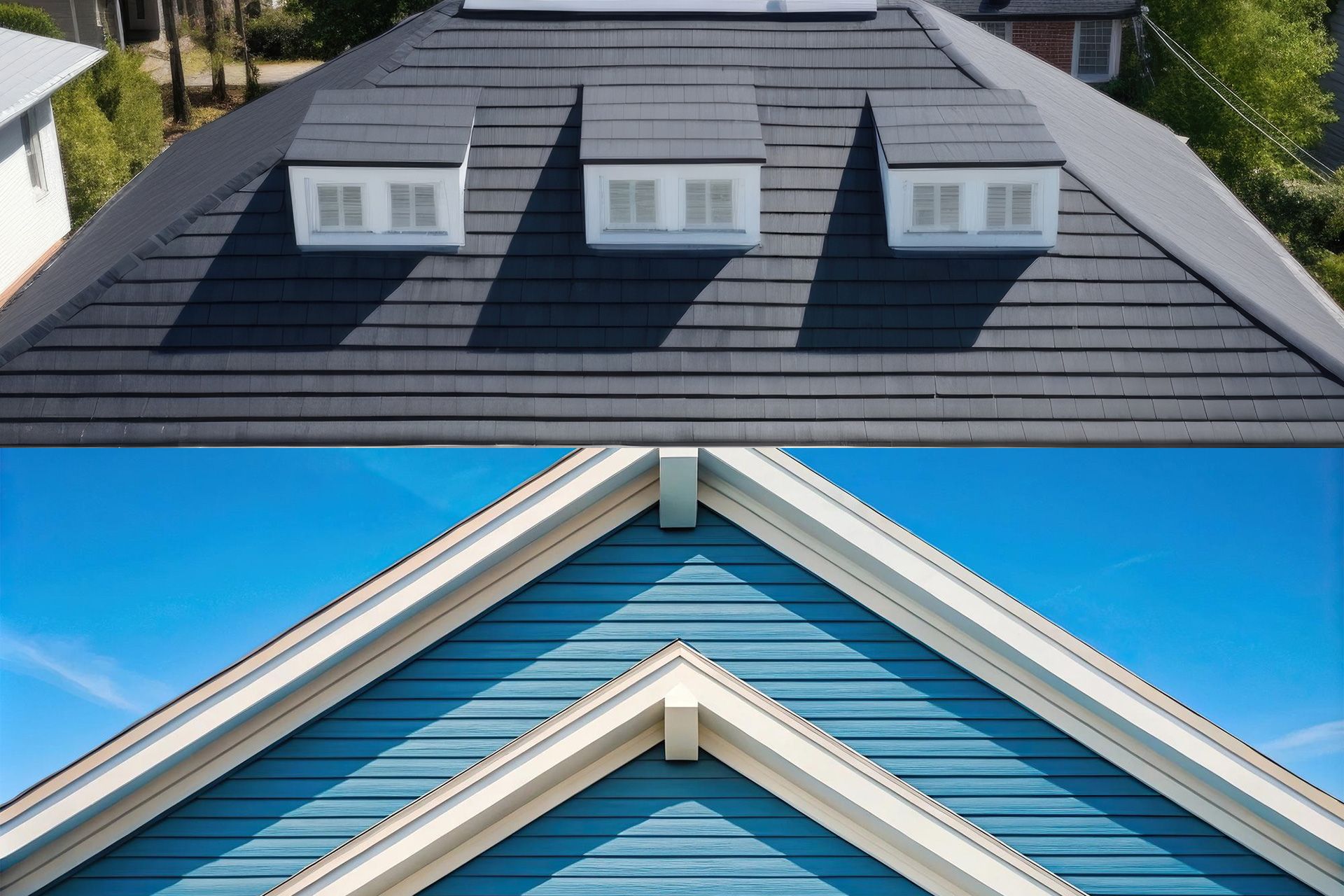
This focused insurance inspection looks at four major areas: the roof, electrical system, plumbing system, and HVAC equipment. The goal is to give the carrier current information about the age, type, condition, and visible risks associated with these systems.
It is different from a full property evaluation. A full inspection looks at the home more broadly and is often used by buyers to understand the overall condition. A four-point review is narrower and is mainly used for insurance underwriting.
Is a 4-point inspection required in Florida?
No statewide rule requires every homeowner to obtain one simply because they own a house. Insurance companies set their own underwriting requirements, which can vary by carrier, policy type, home age, and property condition.
The Department of Financial Services explains that an insurer may request this type of inspection, especially for an older home. If an insurer requests it and the applicant does not provide it, the company may decline certain coverage or refuse to insure the property.
Individual carriers can also set specific age thresholds. For example, Citizens currently requires a four-point review for certain new business applications involving homes more than 20 years old. Private carriers may use different guidelines. Homeowners should confirm the requirement with their insurance agent instead of relying on a general age rule.
Why Newer Homes Usually Face Fewer Requests
A recently built house gives an insurer more current information. The roof is usually newer, electrical and plumbing materials are more likely to meet modern construction standards, and the HVAC equipment may have a clear installation date.
Permits and builder records may also make it easier to verify the ages of major systems. When an insurer already has reliable information, and the property fits its normal underwriting guidelines, it may not need another report.
However, new construction isn't risk-free. Construction defects, storm damage, leaks, electrical problems, or post-completion changes can affect a property at any age.
Situations Where a Newer Home May Still Need One
Homeowners shouldn't be surprised if an insurer requests more documentation even when the house is relatively new. Common situations include:
- Changing insurance companies: A new carrier performs its own underwriting. The new company may not automatically accept information the previous insurer used.
- Questions about a major system: If application records suggest a roof, plumbing, electrical, or HVAC concern, the underwriter may request current information.
- Property alterations or repairs: Major renovations, additions, roof changes, or system replacements may require updated documentation.
- Renewal review: An insurer may request new information as the property ages or when underwriting guidelines change.
What Happens If the Inspector Finds a Problem
A finding does not automatically mean the property cannot be insured. The insurance company decides how the condition affects eligibility.
Depending on the issue, the insurer may request repairs, supporting documents, photographs, or an evaluation by a licensed trade professional. In other cases, the carrier may decide the property does not meet its requirements.
If repairs are completed, keep invoices, permits when applicable, contractor documentation, and photographs. The insurer may request proof before reconsidering the application.
Do Not Confuse This Inspection With Wind Mitigation
These insurance-related inspections serve different purposes.
A four-point review focuses on the condition of the roof, electrical, plumbing, and HVAC systems for underwriting. A wind mitigation inspection documents construction features that may help a building resist wind damage, such as roof deck attachment, roof-to-wall connections, roof geometry, secondary water resistance, and opening protection.
A homeowner may need one, both, or neither depending on the carrier and property. A wind mitigation report may support eligible premium credits, while a four-point report mainly helps determine insurability.
How New Florida Homes Are Built and What Problems Can Still Appear
New Florida homes are built under modern building codes that strongly emphasize wind resistance, moisture control, electrical safety, and energy efficiency. Builders may use updated roofing systems, impact-rated materials, newer plumbing components, and modern HVAC equipment designed for hot and humid conditions. New construction also undergoes required inspections at different stages of the building process.
Even with these protections, newer homes can still develop problems. Construction moves quickly, and installation mistakes can happen with roofing, wiring, plumbing connections, insulation, drainage, or air conditioning systems. Small issues may not become obvious until the home has been occupied for several months.
Florida weather can also reveal problems early. Heavy rain may expose roof leaks or poor drainage. High humidity can increase moisture buildup, while long cooling seasons put steady demand on HVAC equipment. A newer home may also have settlement cracks, loose fittings, incomplete sealing, or components that were installed correctly but later develop defects.
That is why newer construction shouldn't automatically be considered problem-free. A professional review can help document the current condition of the major systems and identify visible concerns that may matter for insurance, maintenance, or future repairs.
How Homeowners Can Prepare
If your agent says you need an inspection, preparing the home can make the visit more efficient. The inspector needs access to the systems being documented.
Before the appointment:
- Make sure the electrical panel, water heater, HVAC equipment, and attic access are reachable.
- Gather roof permits, replacement records, and recent repair documents if available.
- Address known active leaks or obvious safety concerns using qualified professionals when appropriate.
- Ask the insurance agent which form or documentation the carrier requires.
Do not make cosmetic changes simply to hide a defect. The goal is to provide accurate information about current property conditions.
Why Accurate Documentation Still Helps Newer Homes
Even if a newer house seems unlikely to have major concerns, accurate records can prevent confusion during underwriting. A permit may verify when a roof was installed, while an equipment label can confirm HVAC age. Electrical and plumbing records can help explain upgrades or modifications.
The inspection does not guarantee coverage or a certain premium. It provides information the carrier uses as part of a broader underwriting decision.
What Homeowners Should Know Before an Insurance Inspection
An insurance inspection is mainly about documentation. The inspector records visible information about the property and provides it in a format the carrier can review. The inspector does not decide whether to approve a policy, how much coverage to offer, or what the premium will be.
Homeowners should also understand that an inspection reflects the property's condition on the day it is completed. If major repairs, replacements, or upgrades happen later, the insurance company may ask for updated records or another report.
Keeping property documents organized can make the process easier. Save permits, contractor invoices, roof replacement records, HVAC installation details, plumbing updates, and electrical work documents as soon as you can. These records can help support the information shown in the inspection report and give the insurer a clearer picture of the home.
When to Talk With Your Insurance Agent
Contact your agent before ordering an inspection if you are unsure whether you need one. Ask which report the carrier requires, how recent it must be, and whether it needs a specific form.
This can prevent you from ordering the wrong service. Carrier rules also change, so an inspection that satisfied one company may not automatically meet another company's requirements.
If you are shopping for coverage, ask about inspection requirements early enough to schedule the service and address important findings before the application deadline.
Conclusion
Newer homes do not automatically need a four-point insurance review. These inspections are more common for older properties, but an insurer can request additional information whenever its underwriting guidelines call for it. Home age, roof condition, system history, renovations, and policy type can all affect what documentation is needed.
Guardian Angel Inspections provides professional 4-Point Inspection services throughout Central and South Florida. Our inspectors document the roof, electrical, plumbing, and HVAC systems and provide the information and photographs needed for insurance review.
Contact us to schedule your inspection when your insurance carrier requests updated property documentation.
Frequently Asked Questions
Can an Insurance Company Ask for an Inspection on a Newer Home?
Yes. Although these requests are more common for older properties, an insurer can request additional documentation when its underwriting guidelines require it.
Does Passing an Inspection Guarantee Homeowners Insurance?
No. The report provides property information. The carrier makes the final decision about eligibility, coverage, and policy terms.
Is a Full Home Inspection the Same as a Four Point Review?
No. A full inspection has a broader scope. The insurance-focused review concentrates on the roof, electrical, plumbing, and HVAC systems.
Can Recent Repairs Help With Insurance Underwriting?
They may. Keep permits, contractor invoices, photographs, and other records because an insurer may request proof of updates or repairs.
Should I Order the Inspection Before Talking to My Agent?
Usually, it is better to confirm the carrier's requirements first. Your agent can tell you which inspection or form is needed and whether there are timing requirements.
Disclaimer: The information on this website and blog is for general informational purposes only and is not professional advice. We make no guarantees of accuracy or completeness. We disclaim all liability for errors, omissions, or reliance on this content. Always consult a qualified professional for specific guidance.
Share this entry
Recent Posts




Request A Quote
OUR OFFICE HOURS
Monday – Friday 7.30am to 7pm
Saturday Sunday 7.30am to 5pm
24/7 Online Scheduling 7 days a week.