How Do You Prepare for a Home Insurance Inspection?
When you buy a home insurance policy, your insurance company may require a home insurance inspection. This inspection helps the company understand the condition of your house, spot any risks, and make sure you’re paying the right premium. For homeowners in Florida, where weather risks like hurricanes are common, these inspections are especially important.
But what exactly happens during a home insurance inspection, and how can you prepare for it? Let’s break it down step by step.
What Is a Home Insurance Inspection?
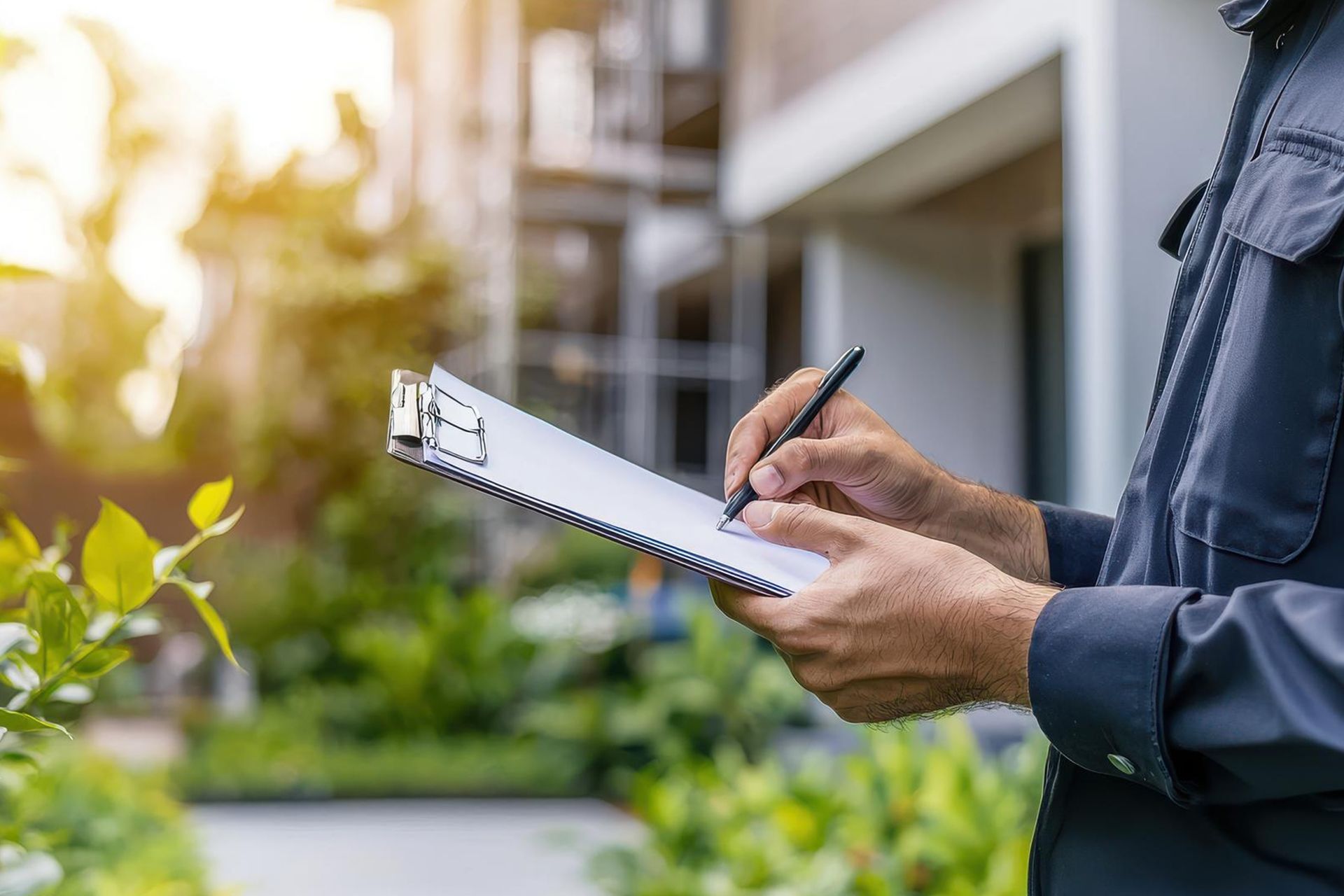
A home insurance inspection is a check done by an inspector sent by your insurance company. The inspector reviews the inside and outside of your house to see if it’s safe and well-maintained. Their main goal is to:
- Confirm the condition of the home.
- Identify risks, such as outdated wiring or roof damage.
- Check for safety features like smoke detectors and security systems.
- Ensure the property matches the details you gave the insurer.
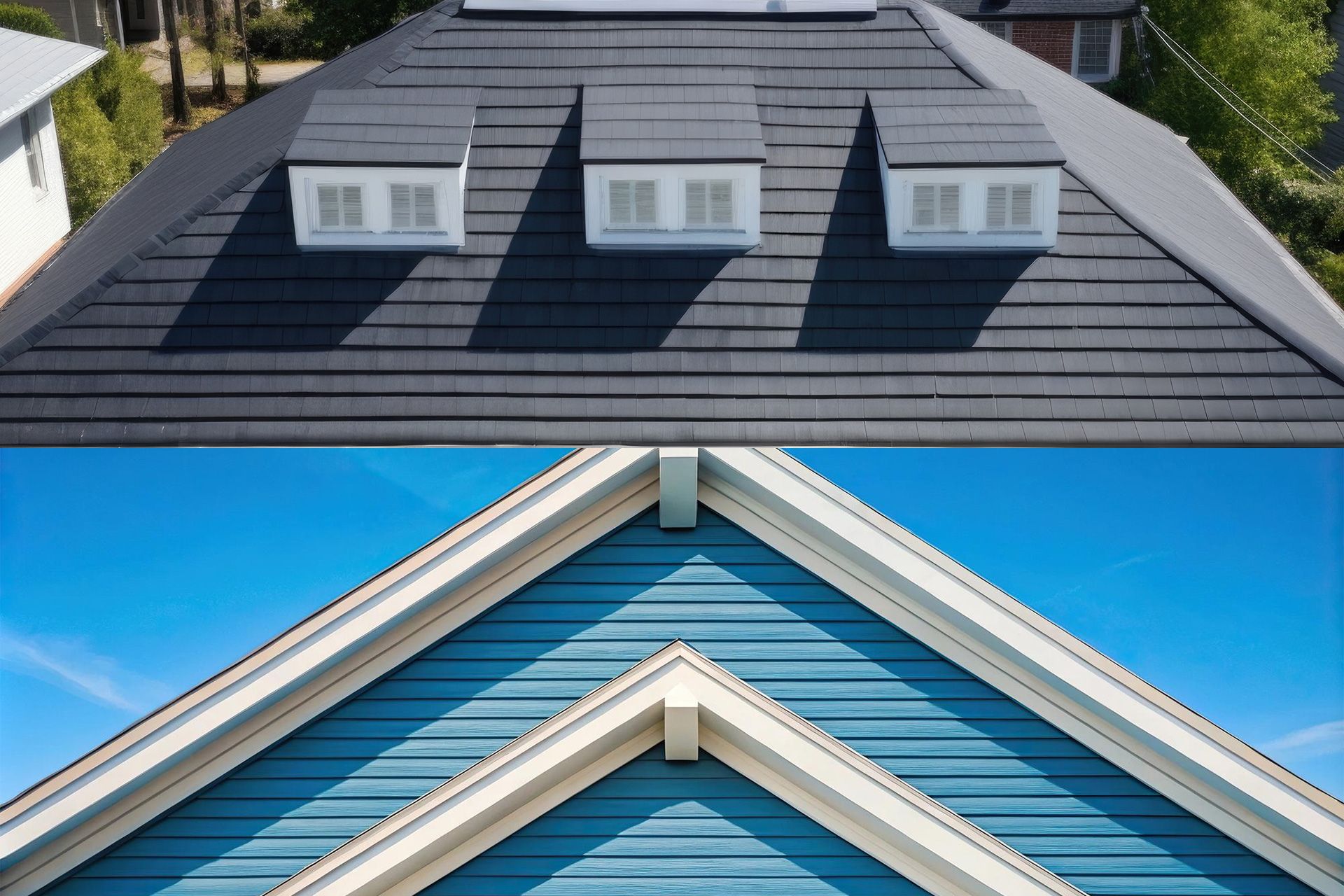
In Florida, inspectors often look closely at roofs, windows, and storm protection since these directly impact hurricane readiness.
Why Do Insurance Companies Require It?
Insurance companies want to protect themselves and you. If your home is in good shape, you may qualify for lower rates or discounts. If there are issues, the company may ask you to fix them to keep coverage.
For example:
- A strong roof can lower your premium.
- A damaged water heater may raise concerns about flooding risks.
- Old wiring could be a fire hazard and may need updating.
By having an inspection, both you and the insurer gain peace of mind.
How to Prepare: A Home Inspection Checklist for Insurance
Getting ready for a home insurance inspection doesn’t have to be stressful. Use this home inspection checklist for insurance to make sure you’re prepared:
1. Clean Up the Exterior
- Trim trees and bushes away from the roof and siding.
- Clear debris from the yard.
- Make sure walkways are safe and free from cracks or tripping hazards.
2. Check the Roof
- Look for missing or damaged shingles.
- Clean out gutters to prevent water damage.
- If your roof is older than 15 years, consider getting it evaluated by a roofing professional.
3. Inspect Windows and Doors
- Ensure all windows and doors lock properly.
- In Florida, storm shutters or impact-resistant windows are a big plus.
4. Test Safety Devices
- Check smoke detectors and carbon monoxide detectors.
- Make sure fire extinguishers are available and not expired.
- Test your security system if you have one.
5. Review Electrical and Plumbing Systems
- Replace worn-out extension cords.
- Check outlets for signs of overheating.
- Inspect pipes for leaks under sinks and around appliances.
6. Maintain Heating and Cooling Systems
- Change air filters.
- Service your HVAC system if it hasn’t been checked recently.
7. Provide Documentation
- Gather receipts for recent repairs or upgrades.
- Have any permits or certifications ready, such as roof replacement or electrical updates.
Florida Insurance Inspection Tips
If you live in Florida, keep these extra tips in mind:
- Hurricane Readiness
– Insurers will look closely at how storm-ready your home is. Impact-resistant windows, hurricane straps, and
wind mitigation features can help lower premiums.
- Flood Risks
– Florida homes are prone to flooding. While flood insurance is usually separate, your inspector may note if your property is at higher risk.
- Roof Condition – Since roofs face strong winds and rain, inspectors may ask for proof of age, condition, and materials.
- Wind Mitigation Inspection – This special type of inspection in Florida looks at roof shape, attachment, and coverings. Having one can qualify you for discounts.
What Happens After the Inspection?
Once the inspection is complete, the inspector submits a report to the insurance company. Then, one of three things usually happens:
- Approval with No Issues – If your home is in good condition, your policy continues as planned.
- Approval with Discounts – If you have strong safety features, you may qualify for a lower rate.
- Required Fixes – If problems are found (like roof leaks or outdated wiring), you’ll need to make repairs within a certain timeframe to keep coverage.
Common Problems Found During Inspections
Here are a few issues that often come up:
- Old or damaged roofing.
- Faulty wiring or outdated electrical panels.
- Plumbing leaks or corroded pipes.
- Missing smoke detectors.
- Water damage in ceilings or walls.
- Overgrown trees or poor yard maintenance.
By fixing these ahead of time, you’ll make the inspection process smoother.
Expert Tips to Ace Your Inspection
- Be Proactive: Walk through your home before the inspector arrives and use the checklist above.
- Keep Records: Having proof of repairs and upgrades shows responsibility and builds trust.
- Don’t Hide Issues: Inspectors are trained to spot problems. It’s better to be upfront and fix them.
Hire a Home Inspector First: Consider hiring a professional home inspector to check your home before the insurance inspection. This way, you can fix issues early.
Final Thoughts
Preparing for a home insurance inspection doesn’t have to be stressful. By following a home inspection checklist for insurance and applying smart Florida insurance inspection tips, you’ll be ready when the inspector arrives. Not only will this help you keep coverage, but it may also save you money on your premium.
Need help preparing for your inspection? Contact Guardian Angel Inspections today for expert guidance.
FAQs About Home Insurance Inspections
How long does a home insurance inspection take?
Most inspections take 30 minutes to an hour, depending on the size of your home.
Do I need to be home during the inspection?
It’s a good idea to be home so you can answer questions and provide documents if needed.
Will my insurance be canceled if I fail the inspection?
Usually not right away. The company will give you time to fix the problems and schedule a reinspection.
How much does a home insurance inspection cost?
In most cases, the insurance company covers the cost. But if you choose to get a pre-inspection from a private company, you will pay out of pocket.
Can I get a discount from a home insurance inspection?
Yes! If you have safety features like hurricane shutters, impact windows, or a new roof, you may qualify for lower premiums.
Disclaimer: The information on this website and blog is for general informational purposes only and is not professional advice. We make no guarantees of accuracy or completeness. We disclaim all liability for errors, omissions, or reliance on this content. Always consult a qualified professional for specific guidance.
Share this entry
Recent Posts


Request A Quote
OUR OFFICE HOURS
Monday – Friday 7.30am to 7pm
Saturday Sunday 7.30am to 5pm
24/7 Online Scheduling 7 days a week.