Hidden Home Inspection Red Flags Every Buyer Should Know
Buying a home is one of the biggest steps in life. It is exciting, but it can also feel stressful, especially when you’re not sure what problems may be hiding behind the walls. This is why a home inspection is so important. A professional inspection helps you understand the true condition of the home before you sign the final papers.
But not all problems are obvious. Some issues hide in places you may never think to check. These hidden home inspection red flags can lead to expensive surprises later. By knowing what to look for, you can make a smarter and safer buying decision.
In this article, we will walk you through the most common home inspection red flags, why they matter, and how to protect yourself before closing on a home.
1. Foundation Problems
The foundation is one of the most important parts of a home. If it fails, the entire structure is at risk. Many buyers think foundation trouble will be easy to spot, but that’s not always the case.
Signs of Foundation Issues
- Cracks in walls or ceilings
- Uneven floors
- Doors or windows that don’t open easily
- Gaps between walls and floors
Even small cracks can be serious if they keep growing. A failing foundation is one of the biggest common home inspection issues because it can cost thousands of dollars to repair. If your inspector sees signs of foundation problems, take it seriously.
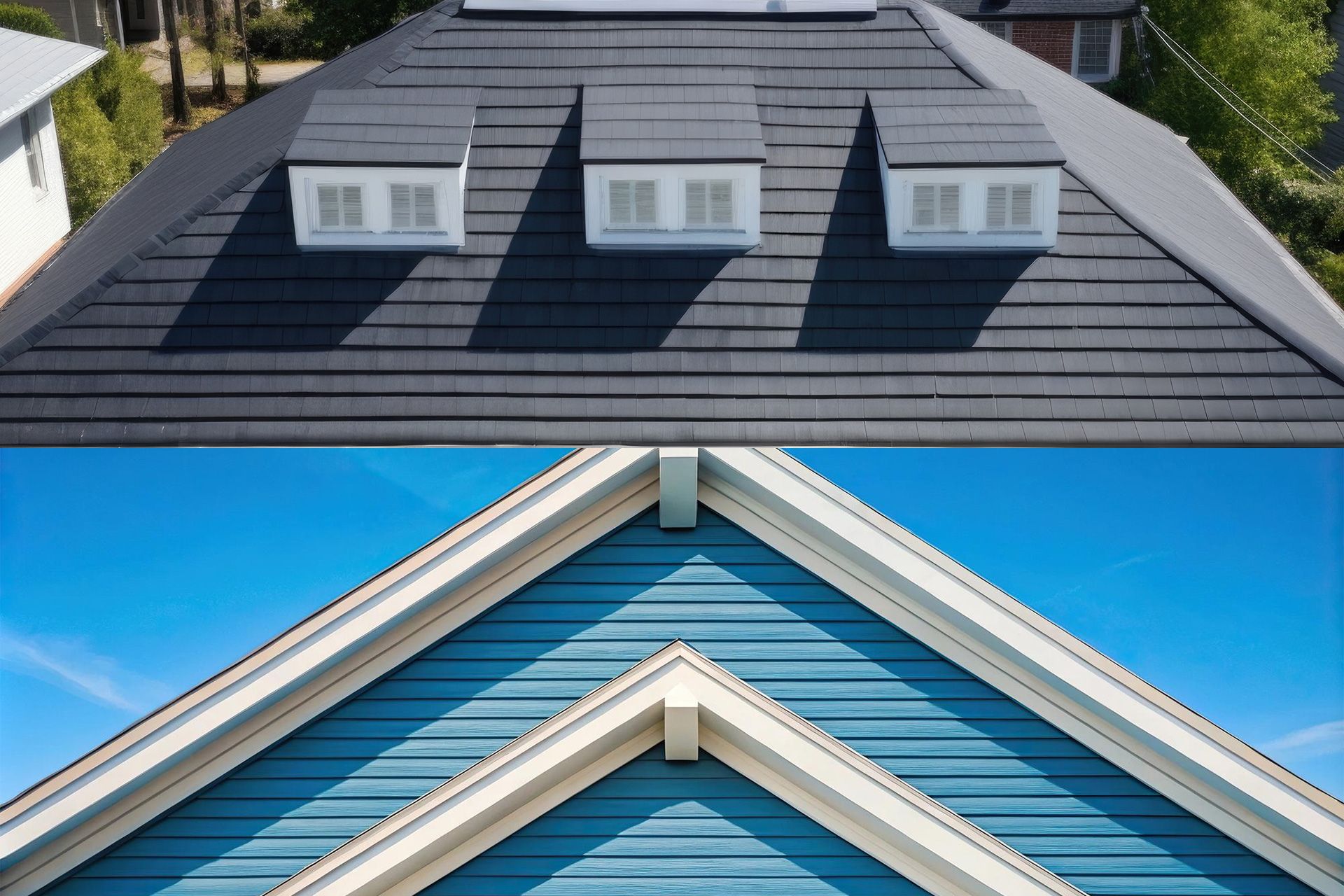
2. Roof Damage or Aging
A roof protects the entire home from water, wind, and weather. When a roof is old or damaged, it can lead to leaks, mold, and structural issues.
What Inspectors Look For
- Missing or curling shingles
- Soft or sagging spots
- Poor drainage
- Evidence of past leaks in the attic
Roof repairs or replacements can be costly, which makes this one of the most important home inspection red flags for buyers. If the roof is near the end of its life, be prepared for future expenses.
3. Water Damage and Mold
Water problems often hide inside walls, basements, and crawl spaces. They are also one of the most common home inspection issues nationwide. Water can cause mold, rot, and long-term structural damage.
Signs of Water Damage
- Stains or discoloration on walls or ceilings
- Musty smells
- Mold spots
- Soft or warped wood
Mold can also affect indoor air quality and cause health problems. If your inspector finds moisture or mold, you may need a specialist to check the extent of the damage.
4. Electrical Problems
Outdated or damaged electrical systems are another major safety concern. Some electrical issues may not be visible until an inspector checks the system carefully.
Electrical Red Flags
- Exposed wiring
- Overloaded breaker panels
- Outdated electrical panels (like Federal Pacific or Zinsco)
- Non-GFCI outlets near water
- Flickering lights
Electrical repairs can be expensive, and unsafe wiring can increase the risk of fire. This is why electrical systems are a key part of every inspection.
5. Plumbing Issues
Plumbing problems can stay hidden for years until they cause major damage. Your home inspector will check the pipes, water pressure, and fixtures throughout the house.
Common Plumbing Problems
- Leaky pipes
- Old or corroded plumbing materials
- Low water pressure
- Slow drainage
- Water heater issues
Leaking or damaged pipes can cause mold, rot, and higher water bills. If there are signs of major plumbing trouble, it’s a strong home inspection red flag.
6. HVAC Problems
Heating and cooling systems are expensive to repair or replace. A home may look perfect, but the HVAC system could be struggling behind the scenes.
What to Watch For
- Old or poorly maintained systems
- Strange noises
- Uneven heating or cooling
- Dirty vents
Your inspector will perform a detailed HVAC inspection to check the furnace, air conditioner, and ductwork. If the HVAC system is outdated, you may need to plan for replacement soon.
7. Pest and Termite Damage
Pests like termites, rodents, or carpenter ants can cause major structural damage. They often hide in walls, basements, attics, or crawl spaces.
Signs of Pest Problems
- Small holes in wood
- Sawdust-like debris
- Droppings
- Hollow-sounding wood
- Chewed wires or insulation
Pest infestations can be expensive to treat, and damage repair can add even more to the cost. This is a red flag you should never ignore.
8. Poor Drainage Around the Home
Many homeowners don’t pay attention to yard drainage, but it is one of the most important things inspectors look for. Poor drainage can cause water to pool near the foundation, raising the risk of flooding, cracks, and mold.
Drainage Red Flags
- Standing water after rain
- Downspouts pointing toward the home
- Soil sloping toward the foundation
- Erosion in the yard
A simple fix like adjusting landscaping can help, but if the issue has existed for years, the damage could already be serious.
9. Structural Issues
Structural problems affect the safety and stability of the home. These issues often require expert evaluation and can be costly to fix.
Common Structural Red Flags
- Bowing walls
- Sagging floors
- Cracks in the foundation
- Uneven or sinking support beams
If a home shows major structural problems, think carefully before moving forward.
10. DIY or Unpermitted Work
Many homeowners try to save money by doing repairs themselves. While DIY work is common, poor workmanship can create unsafe conditions.
Signs of Bad DIY Work
- Uneven tile
- Poor-quality electrical or plumbing fixes
- Gaps in trim or flooring
- Unsteady deck or railings
Another major issue is unpermitted work. If additions or renovations were done without permits, you may face problems when selling later, or be responsible for bringing the work up to code.
Why Home Inspections Matter
A home inspection helps you avoid costly surprises. Home inspectors look for hidden problems that could reduce the value of the home or create safety risks. With the right information, you can:
- Negotiate repairs
- Request a lower price
- Ask for seller credits
- Walk away from a risky property
Understanding common home inspection issues allows you to protect your investment and make a confident decision.
What To Do If You Find Red Flags
If your inspector identifies major issues, don’t panic. Instead, take these steps:
- Review the full inspection report.
- Get repair estimates from professionals.
- Discuss your options with your real estate agent.
- Decide whether repairs or credits are better for you.
- Walk away if the problems are too big or costly.
A good inspector will also help you understand the severity of each issue.
Schedule your professional home inspection with Guardian Angel Inspections today to protect your investment with confidence.
FAQs About Home Inspection Common Red Flags
What are the biggest home inspection red flags?
Foundation problems, roof damage, electrical issues, plumbing problems, and mold are some of the most serious red flags to watch for.
Should I walk away if the inspection report is bad?
Not always. Some issues can be repaired or negotiated with the seller. But if the problems are major or too expensive, it may be best to move on.
Who pays for repairs after the inspection?
It depends on your agreement. You can ask the seller to fix the issues, offer credits, or lower the price.
Do older homes have more inspection issues?
Yes, older homes often come with outdated electrical, plumbing, or structural systems. But a detailed inspection can help you understand what needs attention.
How long does a home inspection take?
Most home inspections take 2–3 hours, depending on the size and condition of the home.
Disclaimer: The information on this website and blog is for general informational purposes only and is not professional advice. We make no guarantees of accuracy or completeness. We disclaim all liability for errors, omissions, or reliance on this content. Always consult a qualified professional for specific guidance.
Share this entry
Recent Posts


Request A Quote
OUR OFFICE HOURS
Monday – Friday 7.30am to 7pm
Saturday Sunday 7.30am to 5pm
24/7 Online Scheduling 7 days a week.