How Does a Pool and Spa Inspection Work?
Owning a home with a pool or spa can be exciting—but it also comes with responsibility. Pools and spas must be safe, clean, and working properly. That’s where a pool & spa inspection comes in.
Whether you are buying a home, selling one, or maintaining your current property, a professional inspection helps you avoid costly repairs and safety risks. In Florida especially, pools and spas are used year-round, making inspections even more important.
In this guide, we’ll explain how a pool and spa inspection works, what inspectors look for, and why it matters, especially if you’re in Florida.
What Is a Pool & Spa Inspection?
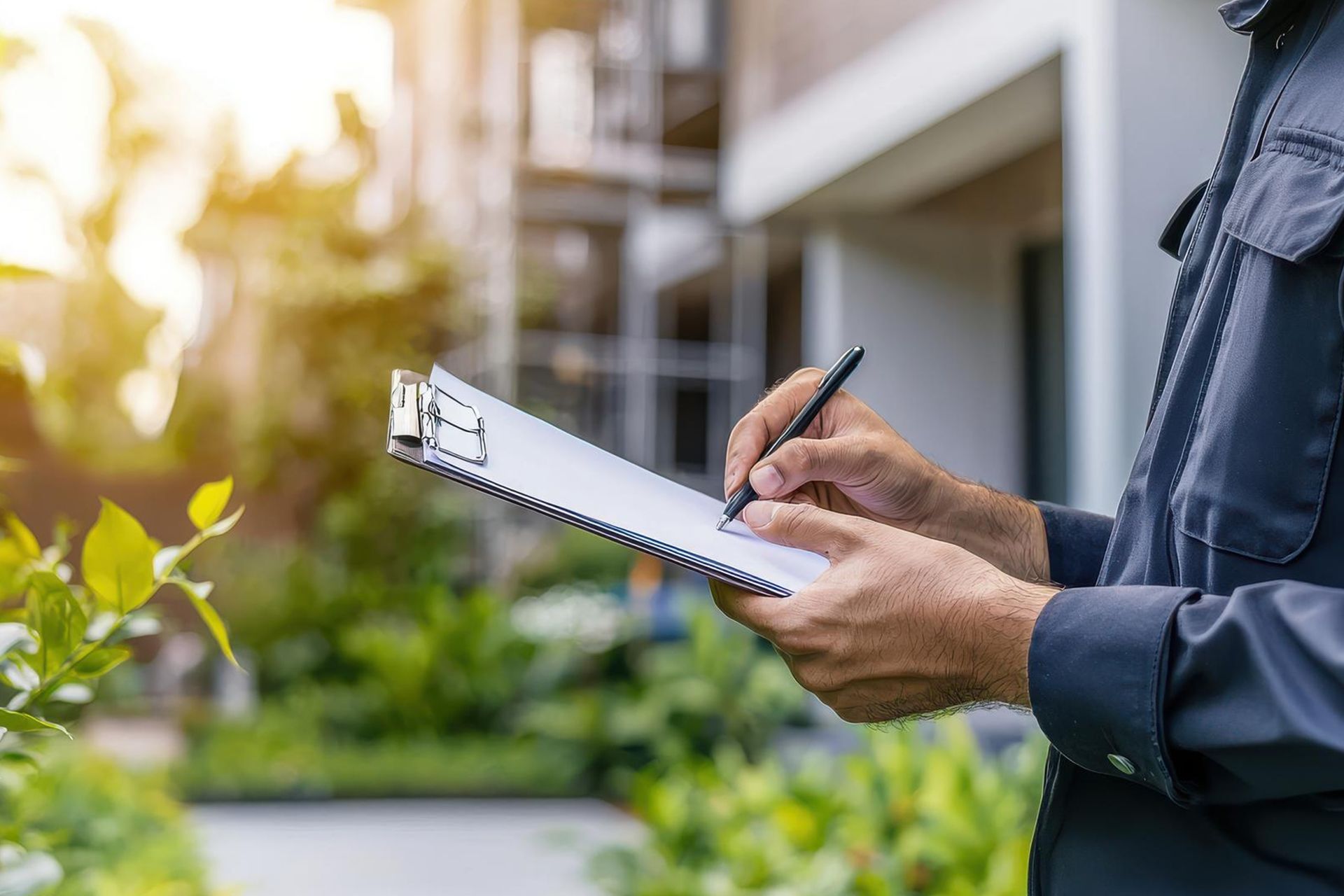
A pool & spa inspection is a detailed visual examination of a home’s pool and spa systems. The goal is to make sure everything is safe, functional, and built according to basic standards.
During the inspection, a licensed inspector checks the pool structure, equipment, electrical systems, and safety features. They look for visible damage, wear and tear, leaks, and safety hazards.
A pool and spa inspection is often added to a general home inspection, but it can also be done on its own.
Why Pool & Spa Inspections Are Important
Pools and spas may look fine on the surface, but hidden problems can be expensive—or dangerous.
Here’s why inspections matter:
- Prevent safety hazards like faulty drains or broken gates
- Identify costly repairs before buying a home
- Ensure the pool adds value—not liability—to the property
- Essential for pool & spa inspection Florida homes due to frequent use
- Provide peace of mind for homeowners and buyers
For families with children, seniors, or pets, safety checks are especially critical.
When Should You Get a Pool & Spa Inspection?
You should consider a pool & spa inspection if:
- You are
buying a home with a pool or spa
- You are
selling your property
- The pool or spa has
not been used for a long time
- You notice leaks, cracks, or equipment issues
- You want routine maintenance and safety assurance
In Florida, many buyers request a pool inspection as part of the real estate process because pools are common and used frequently.
How Does a Pool and Spa Inspection Work?
A professional inspector follows a step-by-step process to evaluate the condition and safety of your pool and spa.
Below is what typically happens during the inspection.
Pool and Spa Inspection Checklist
A complete Pool and Spa Inspection Checklist covers several key areas.
1. Pool and Spa Structure
The inspector checks the physical condition of the pool and spa, including:
- Pool shell and interior finish
- Cracks, chips, or surface damage
- Tile condition and coping
- Decking around the pool
- Signs of leaks or water loss
Structural issues can be costly, so catching them early is important.
2. Pool Equipment and Mechanical Systems
The heart of the pool is its equipment. Inspectors examine:
- Pool pump and motor
- Filter system (cartridge, sand, or DE)
- Heater (gas, electric, or solar)
- Valves and plumbing connections
- Timers and automation systems
They make sure the equipment turns on properly and operates as intended.
3. Electrical and Bonding Systems
Electrical safety is one of the most critical parts of a pool & spa inspection Florida homes require.
Inspectors look for:
- Proper grounding and bonding
- GFCI-protected outlets
- Safe wiring and connections
- Pool and spa lighting
Electrical issues can be dangerous, especially around water, so this step is never skipped.
4. Safety Features
Safety features protect people from accidents and injuries. Inspectors check for:
- Pool fencing and gates
- Self-closing and self-latching gates
- Pool alarms (if present)
- Anti-entrapment drain covers
- Handrails and steps
Florida has specific pool safety rules, so inspectors ensure basic compliance.
5. Spa-Specific Components
If the home includes a spa or hot tub, inspectors also review:
- Jets and air blowers
- Spa heating system
- Temperature controls
- Spa cover condition
- Proper water circulation
Spas operate under higher temperatures, which makes proper function even more important.
6. Water Level and Visible Leaks
While inspectors do not test water chemistry, they do look for:
- Proper water level
- Signs of active leaks
- Stains or erosion around the pool
- Wet soil near equipment
Leaks can lead to high water bills and foundation issues if ignored.
What a Pool & Spa Inspection Does NOT Include
It’s important to understand the limits of an inspection. A typical pool & spa inspection does not include:
- Water chemical testing
- Underground plumbing pressure tests
- Cosmetic cleaning services
- Repairs or equipment replacement
However, inspectors will clearly note concerns and recommend further evaluation if needed.
Why Pool & Spa Inspection Is Crucial in Florida
Florida homes often include pools, and they are used more often than in other states. That makes pool & spa inspection Florida services especially valuable.
- Florida-specific concerns include:
- Heavy sun exposure causing wear
- Frequent storms affecting equipment
- High humidity impacting electrical systems
- Strict safety expectations for homes with pools
Regular inspections help homeowners stay ahead of these challenges.
What Happens After the Inspection?
After the inspection, you’ll receive a detailed report that includes:
- Photos of issues found
- Descriptions written in simple language
- Safety concerns that need attention
- Maintenance recommendations
- Items that may require repair or replacement
This report helps buyers negotiate repairs and helps homeowners plan future maintenance.
How Long Does a Pool and Spa Inspection Take?
Most inspections take 45 minutes to 1.5 hours, depending on:
- Pool size
- Type of equipment
- Presence of a spa
- Overall condition
Inspectors work efficiently while still being thorough.
Final Thoughts
A pool & spa inspection helps protect your investment, your family, and your peace of mind. By following a detailed Pool and Spa Inspection Checklist, professional inspectors can uncover issues that aren’t visible at first glance.
If you’re buying or maintaining a home with a pool or spa, especially in Florida, an inspection is a smart move.
Schedule your professional pool & spa inspection today with Guardian Angel Inspections and enjoy peace of mind before you dive in.
FAQs About Pool & Spa Inspections
Is a pool & spa inspection required when buying a home?
It’s not always required, but it is highly recommended, especially in Florida.
Can a general home inspector inspect the pool?
Some inspectors do, but not all. Always confirm that pool & spa inspection services are included.
Does a pool inspection include water testing?
No. Inspections focus on safety and function, not water chemistry.
How much does a pool & spa inspection cost?
Costs vary by location and pool size, but it’s a small investment compared to repair expenses.
Should I inspect an older pool?
Yes. Older pools are more likely to have outdated equipment or safety issues.
Disclaimer: The information on this website and blog is for general informational purposes only and is not professional advice. We make no guarantees of accuracy or completeness. We disclaim all liability for errors, omissions, or reliance on this content. Always consult a qualified professional for specific guidance.
Share this entry
Recent Posts


Request A Quote
OUR OFFICE HOURS
Monday – Friday 7.30am to 7pm
Saturday Sunday 7.30am to 5pm
24/7 Online Scheduling 7 days a week.