Routine Septic Inspections: Seasonal Tips That Prevent Big Repairs
A septic system is one of the hardest-working parts of your home, yet it is often overlooked until something goes wrong. By the time you notice slow drains, unpleasant odors, or standing water in the yard, the problem may already require significant repairs. The good news is that many septic issues can be prevented with timely inspections.
In South Florida, septic systems face unique challenges. Heavy rainfall, high groundwater levels, sandy soil, and hurricane season can all affect how a system performs. That is why homeowners should make septic inspection part of their routine rather than waiting for warning signs.
Why Routine Septic Inspection Is Important
A septic system is designed to safely collect, treat, and disperse wastewater from your home. Every day, water from sinks, showers, toilets, and appliances flows into the septic tank before moving to the drain field for natural filtration.
Over time, solids build up inside the tank, components experience normal wear, and outside conditions can affect how efficiently the system works. These issues may eventually lead to backups, unpleasant odors, drain field problems, or costly repairs.
Scheduling a septic system inspection on a regular basis allows homeowners to identify concerns early while they are still easier to address.
South Florida Weather Creates Unique Challenges
Heavy rain can saturate the soil surrounding the drain field, making it harder for wastewater to filter properly. During hurricane season, excessive rainfall and temporary flooding may place additional stress on septic systems. High humidity also contributes to year-round moisture conditions that can affect the surrounding property.
Because of these environmental factors, regular septic system maintenance becomes even more important for homeowners across South Florida.
Make Septic Inspections Part of Your Home Maintenance Plan
Many people only think about their septic system when something stops working. A better approach is to include septic inspection alongside other routine home maintenance tasks.
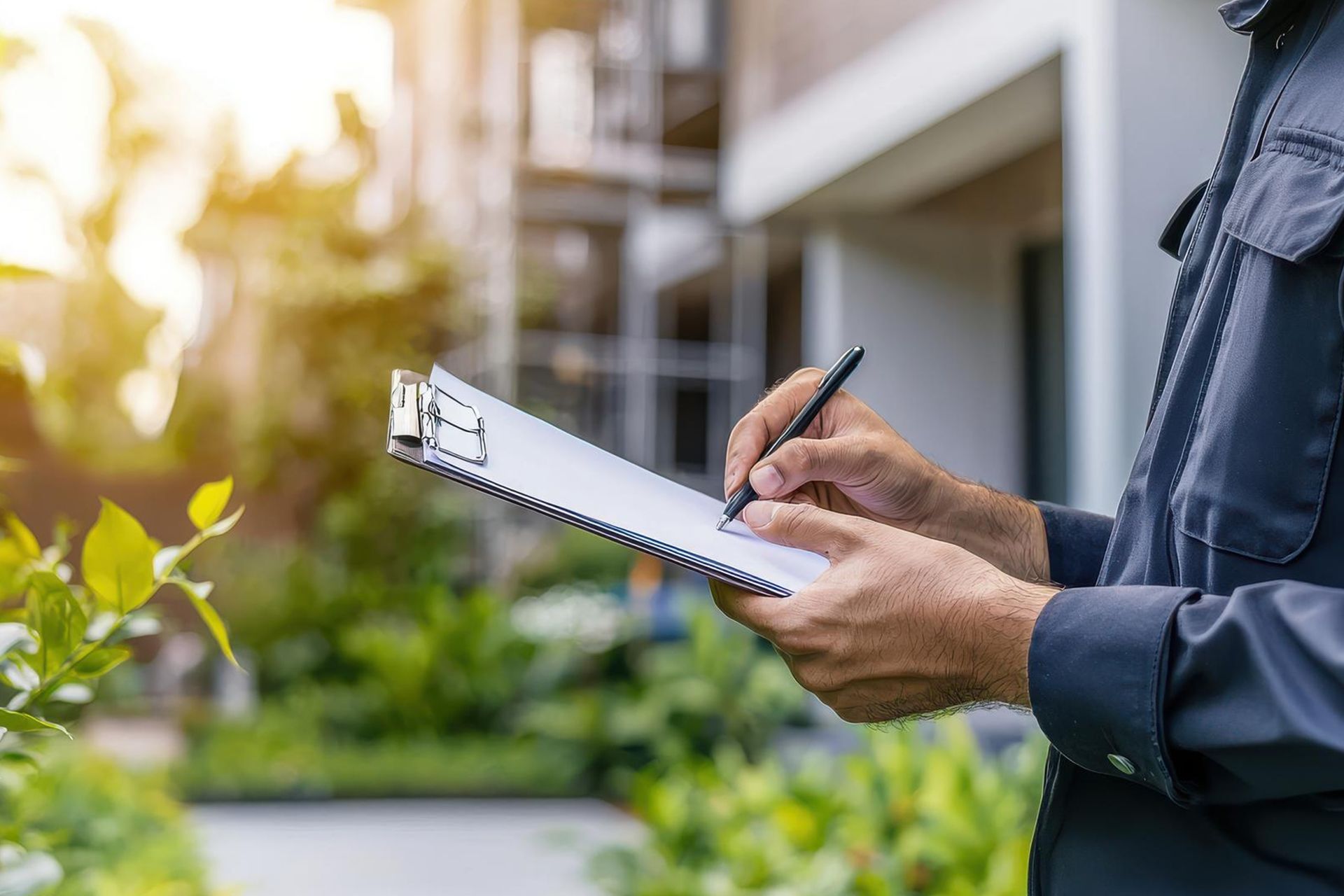
Professional septic inspections help evaluate the overall condition of the system before visible problems develop.
During an inspection, professionals may evaluate:
- The condition of the septic tank
- Signs of leaks or structural damage
- Drain field performance
- Visible plumbing connections
- Potential maintenance concerns
- General system operation
A septic system inspection provides valuable information that helps homeowners plan maintenance before larger issues develop.
Watch for Early Warning Signs
Your septic system usually gives warning signs before a major failure happens. Slow-draining sinks or tubs, toilets that flush slowly, gurgling sounds in plumbing fixtures, sewage odors inside or outside the home, and standing water near the drain field can all point to a possible issue.
If you notice any of these conditions, do not ignore them. Quick attention can often stop a small concern from becoming a major repair.
Protect the Drain Field
The drain field is just as important as the septic tank itself. Even a well-maintained tank cannot work properly if the drain field becomes damaged. Homeowners should keep vehicles, sheds, patios, and heavy equipment away from this area.
It is also important to keep large trees and aggressive roots away from underground septic components and direct roof runoff away from the drain field whenever possible.
Be Smart About Water Use
One of the easiest ways to support the septic system is to manage water use in your home. Large amounts of water entering the system at one time can reduce treatment efficiency and place unnecessary stress on the drain field.
Helpful habits include:
- Spread laundry loads throughout the week.
- Repair leaking faucets and toilets promptly.
- Install water-efficient fixtures when possible.
- Run dishwashers and washing machines with full loads.
- Avoid excessive water use during large gatherings.
Know What Should Never Go Down the Drain
Your septic system depends on naturally occurring bacteria to break down waste. Certain products interfere with this process or create blockages.
Never flush or pour cooking grease, oils, paper towels, baby wipes, paint, or solvents. Even products labeled as "flushable" may not break down properly.
Protecting the bacteria inside the tank helps keep the entire system working efficiently.
Prepare for Heavy Rain and Storm Season
South Florida homeowners know that heavy rain can arrive quickly, especially during hurricane season. Before major storms:
- Make sure gutters direct water away from the drain field.
- Check that nearby drainage areas remain clear.
- Avoid driving across saturated ground.
After significant rainfall, inspect the property for standing water or signs that the drain field is not draining properly. If you notice unusual conditions after a storm, scheduling a septic system inspection can help identify potential concerns before they worsen.
Why Professional Inspections Matter
Although homeowners can perform basic visual checks, professional septic inspections provide a much more complete evaluation. Experienced inspectors understand how different components work together and know where early warning signs often appear.
Routine inspections provide several benefits:
- Identify developing problems early
- Help extend the life of the system
- Reduce the likelihood of emergency repairs
Investing in preventive tasks is almost always easier than dealing with unexpected septic failures.
Conclusion
Routine septic inspection is one of the best ways to protect your home and avoid costly repairs. Responsible household habits and scheduled septic inspections help keep your system operating efficiently for years to come.
Guardian Angel Inspections provides professional inspection services that help homeowners better understand the condition of their septic systems before small concerns become major problems. Our team is committed to delivering clear, detailed information that supports smarter property maintenance decisions.
Schedule your septic inspection today and take a proactive step toward protecting your home for years to come.
FAQs
How often should a septic system be inspected?
Most homeowners should schedule a professional inspection every few years, although the ideal schedule depends on household size, system age, and usage.
Why is septic system maintenance important?
Heavy rainfall, high humidity, and seasonal storms can place additional stress on septic systems. Regular maintenance helps reduce the risk of backups and drain field problems.
What are the most common signs of septic system problems?
Slow drains, sewage odors, standing water near the drain field, gurgling plumbing fixtures, and unusually green grass may all indicate a problem.
Can heavy rain affect a septic system?
Yes. Excessive rainfall can saturate the drain field, making it more difficult for wastewater to filter properly and increasing the risk of system issues.
What should homeowners avoid flushing into a septic system?
Avoid flushing grease, oils, wipes, paper towels, coffee grounds, harsh chemicals, and other materials that can clog the system or disrupt the natural treatment process.
Disclaimer: The information on this website and blog is for general informational purposes only and is not professional advice. We make no guarantees of accuracy or completeness. We disclaim all liability for errors, omissions, or reliance on this content. Always consult a qualified professional for specific guidance.
Share this entry
Recent Posts


Request A Quote
OUR OFFICE HOURS
Monday – Friday 7.30am to 7pm
Saturday Sunday 7.30am to 5pm
24/7 Online Scheduling 7 days a week.