Why Homeowners Fail Insurance Inspections and How to Avoid Costly Mistakes
A home insurance inspection can reveal problems that affect whether an insurer will cover your property. Many homeowners assume their house is in good condition, only to discover that the insurer has concerns about an aging roof, damaged electrical components, plumbing leaks, or neglected maintenance.
In Florida, heat, humidity, heavy rainfall, and hurricane exposure can contribute to property damage over time. Even relatively new homes may develop issues that deserve attention. Insurance companies evaluate these conditions to understand possible risks before approving or renewing coverage.
Understanding why properties receive unfavorable inspection results can help homeowners prepare, address important concerns, and avoid unexpected insurance complications.
Why Insurance Companies Inspect Homes
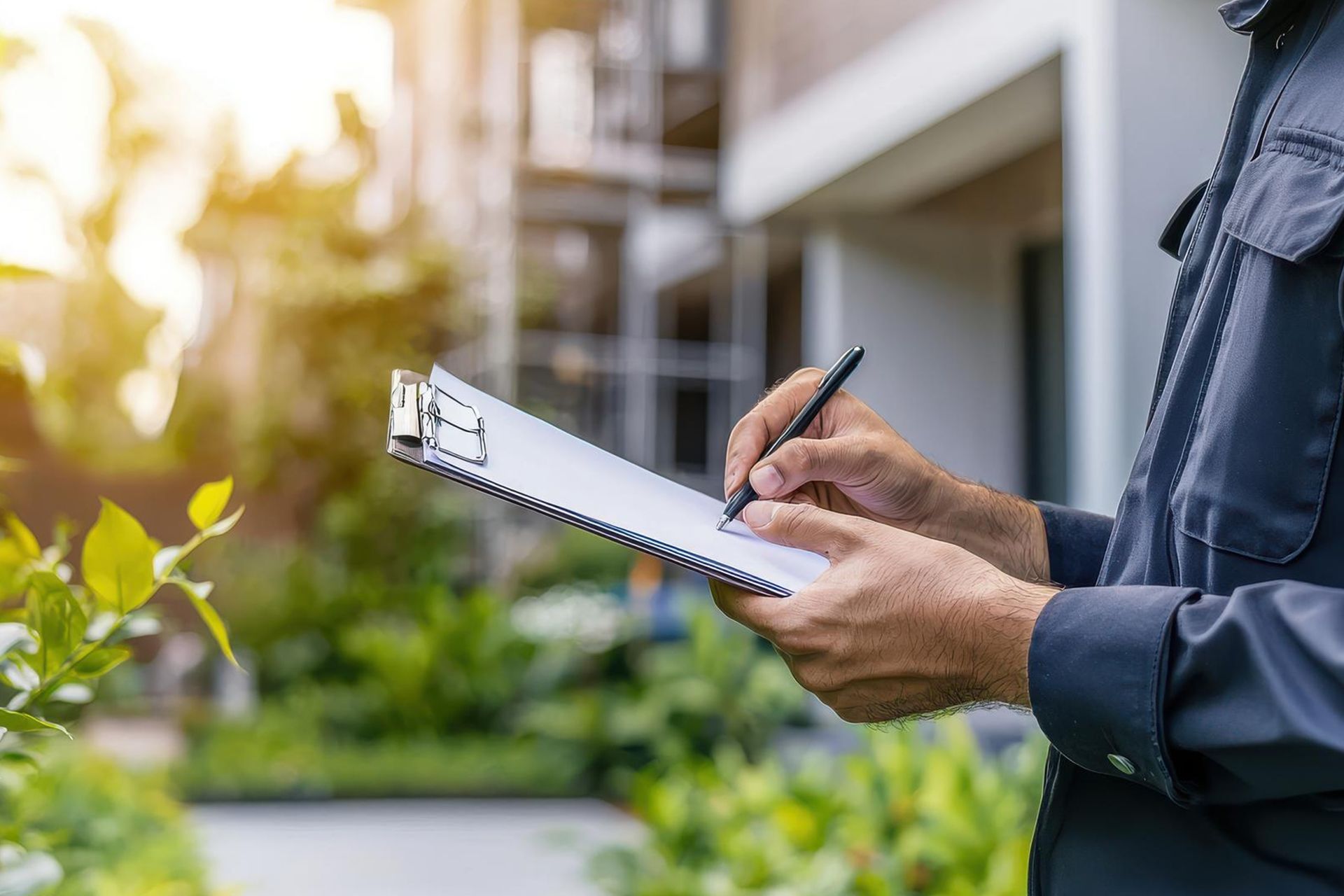
Insurance companies use property inspections to evaluate risks that may lead to future claims. A home insurance inspection helps verify information provided during the insurance application and identify visible conditions that could affect eligibility.
Depending on the insurer, the evaluation may include an exterior survey, an interior review, a four-point assessment, or a specialized examination of one system.
Not every inspection follows the same checklist. Some carriers focus on the property's overall condition, while others request specific information about roofing, electrical, plumbing, and HVAC systems.
An unfavorable result does not automatically mean coverage will be canceled. The insurer reviews the findings and decides whether repairs, additional documentation, or another action is necessary.
What Will Fail a Home Insurance Inspection?
Several conditions may cause an insurer to question a property's safety, maintenance, or insurability. The seriousness of each issue depends on the carrier's underwriting requirements and the property's condition.
Roof Damage and Deterioration
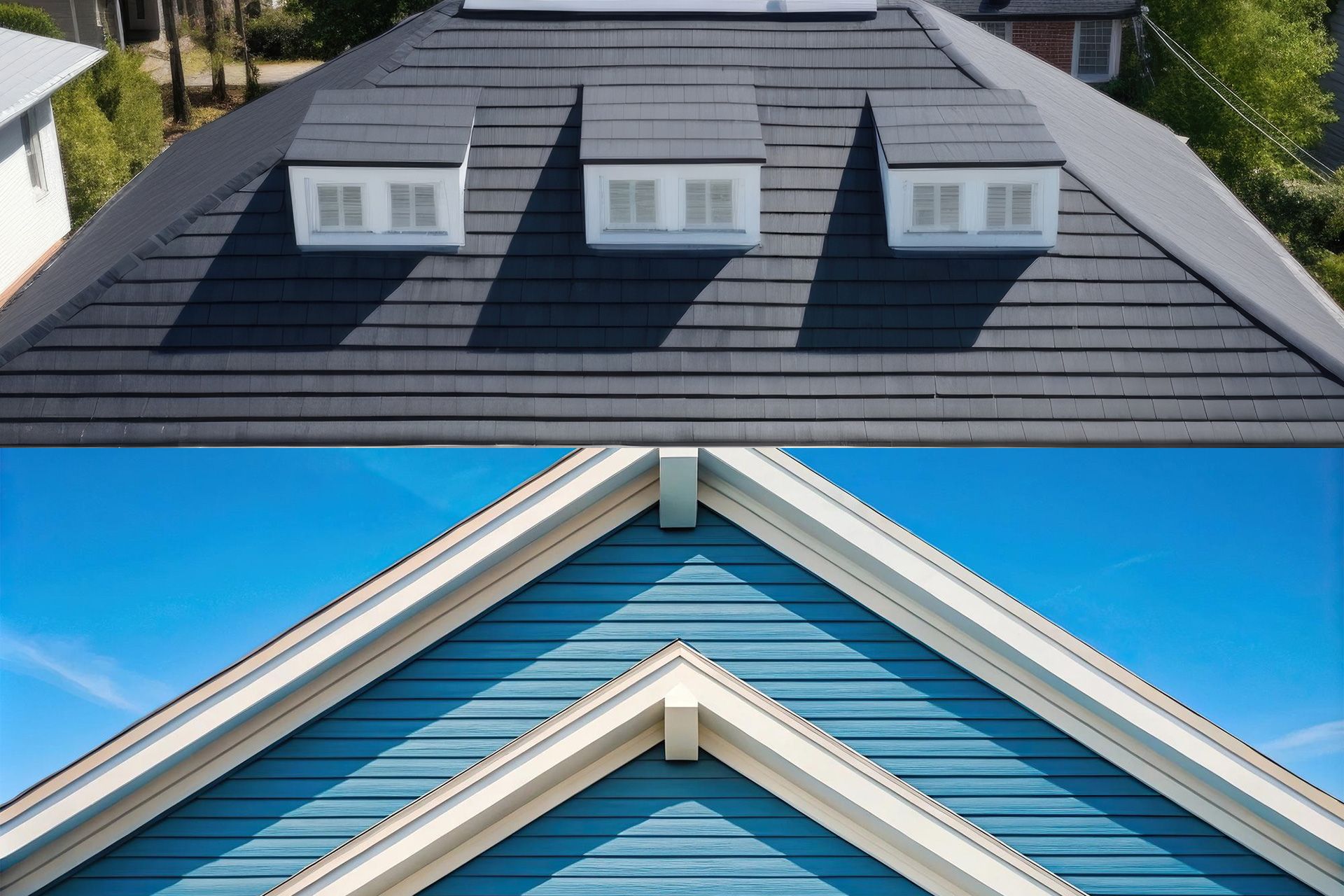
Roof problems are among the most important concerns for Florida insurance companies. Missing shingles, damaged tiles, visible leaks, sagging areas, or deteriorated roofing materials may indicate an increased risk of water intrusion.
Insurers may also review the roof's age and available service history. A roof does not have to be visibly leaking to raise concerns if its condition suggests significant wear.
Electrical Hazards
Outdated wiring, damaged electrical panels, exposed connections, improper modifications, or visible signs of overheating can raise safety concerns.
Insurance companies may request additional evaluation when electrical components appear damaged or unsuitable. A licensed electrician should address hazardous conditions rather than homeowners attempting repairs themselves.
Plumbing Leaks and Water Damage
Water damage can develop slowly behind cabinets, beneath fixtures, or around plumbing connections. Inspectors may document active leaks, damaged pipes, staining, or signs of ongoing moisture.
These conditions can lead to further deterioration if left unaddressed. Prompt repairs and proper documentation may help demonstrate that identified concerns have been corrected.
Poor Property Maintenance
Insurers may also consider damaged steps, loose railings, overgrown vegetation, unstable sheds, or other visible hazards.
These conditions can create injury risks or increase the chance of property damage. Maintaining the home's exterior is therefore important even when the major building systems are functioning properly.
How Florida Weather Can Affect Inspection Results
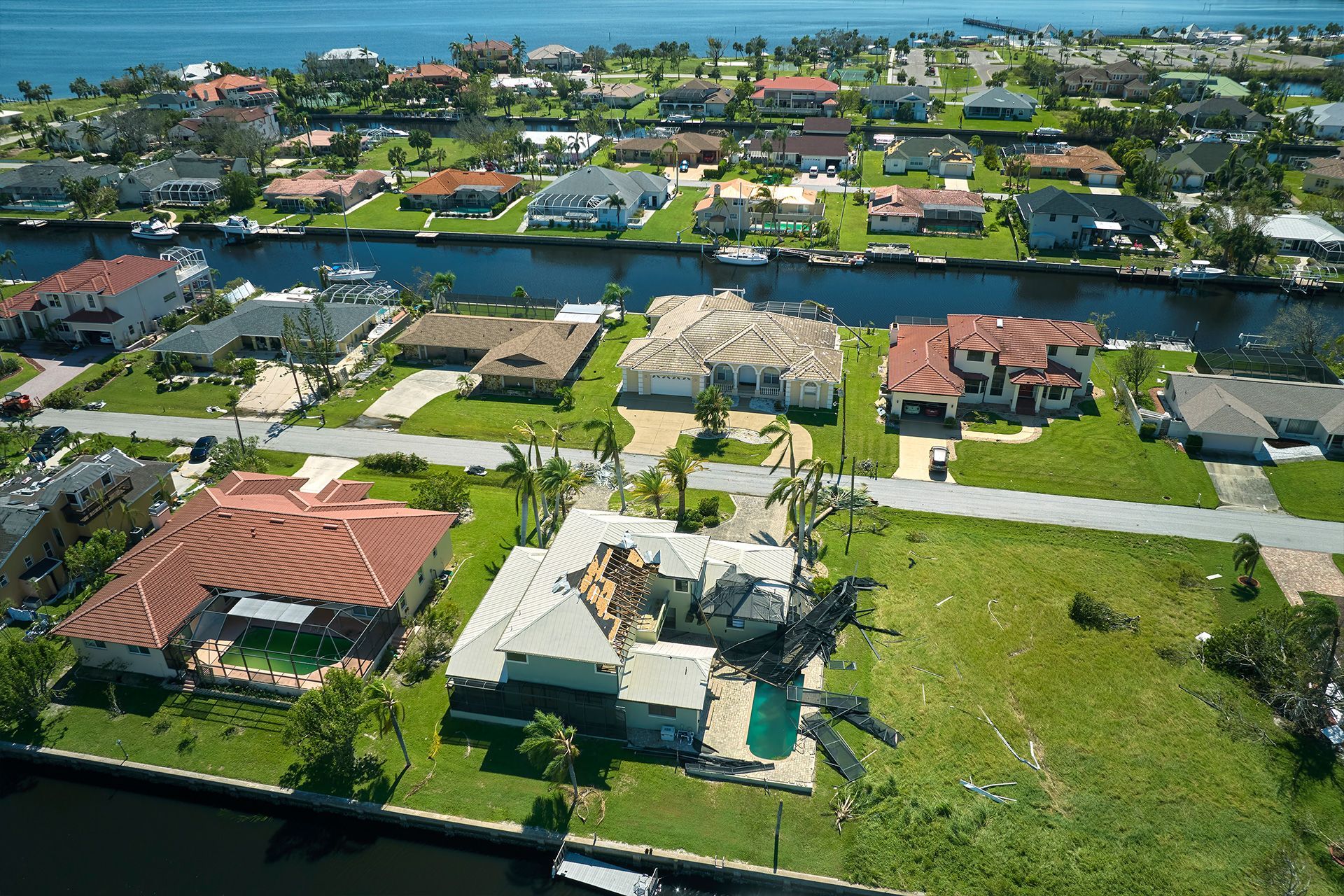
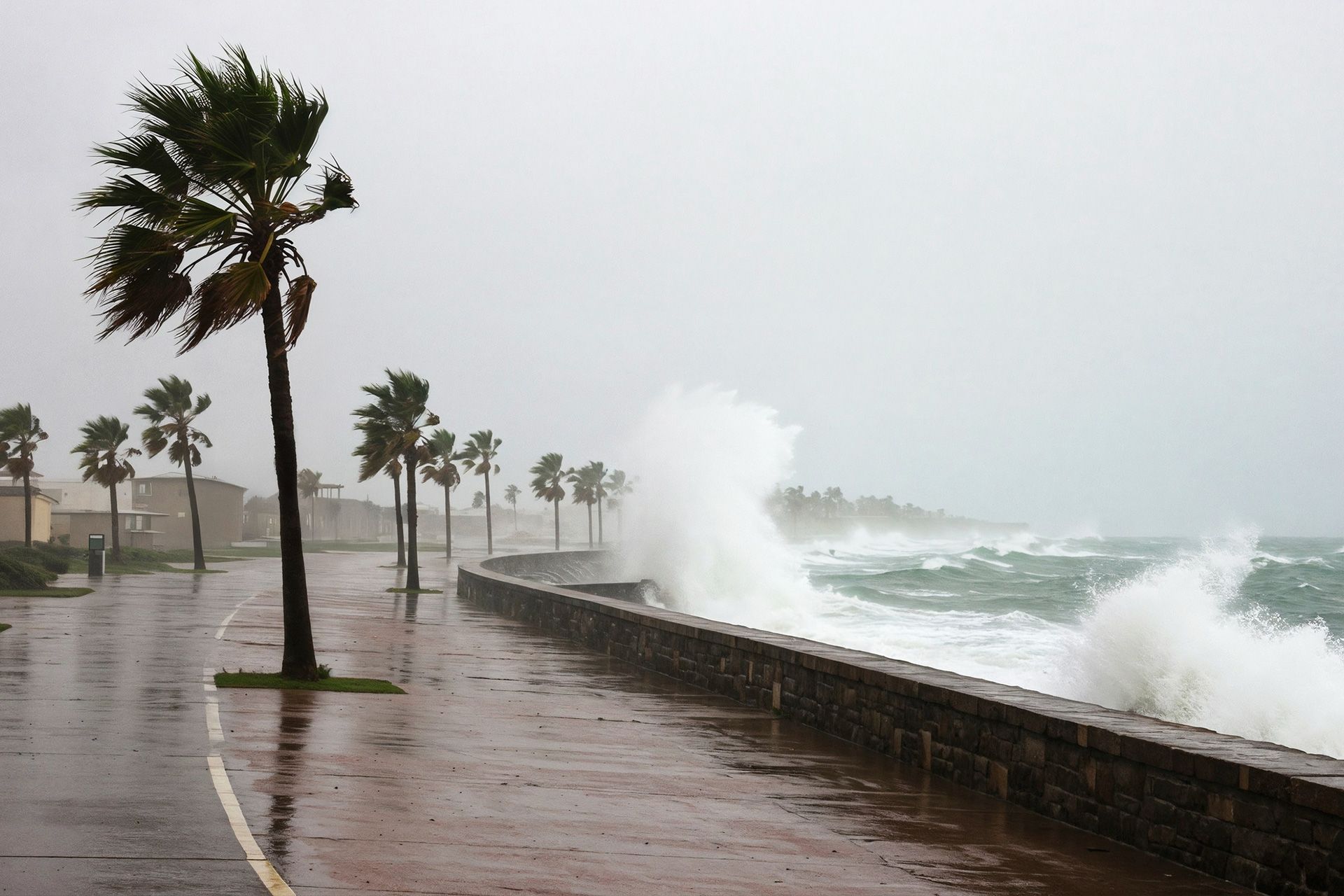
Florida's weather places considerable demands on residential properties. Strong sunlight can contribute to roofing wear, while heavy rain may expose weaknesses around flashing, windows, and exterior openings.
High humidity can also contribute to moisture problems, particularly where ventilation or air conditioning drainage is inadequate. Coastal environments may expose certain metal components to additional corrosion.
After major storms, homeowners should check for visible roof damage, water stains, damaged exterior materials, and unsafe conditions. Problems discovered early may be easier to address before an insurance review.
How to Prepare Your Property for an Insurance Evaluation
Preparation begins with understanding what the insurer wants to review. Contact your insurance agent to confirm the required inspection type and any documents needed.
Before the appointment, consider these practical steps:
- Review visible damage: Check roofing, exterior walls, windows, doors, walkways, and other accessible areas for obvious concerns. Arrange qualified repairs when necessary.
- Provide access to major systems: Keep electrical panels, water heaters, HVAC equipment, and other requested areas accessible so the inspector can document their condition.
- Gather property records: Collect roof permits, equipment installation details, repair invoices, and available records of electrical or plumbing upgrades.
- Address known safety hazards: Repair loose railings, damaged steps, active leaks, or other unsafe conditions with appropriate professional assistance.
Preparation should focus on the property's actual condition. Painting over water stains or hiding damaged components does not resolve the underlying issue.
Can I Refuse a Home Insurance Inspection?
Homeowners can decline an inspection, but that decision may affect their insurance options. If the carrier requires an evaluation to confirm eligibility, refusing access or failing to provide the requested report may prevent the company from issuing or continuing coverage.
The Florida Department of Financial Services explains that insurers may refuse coverage when a required four-point or specialized inspection is not provided.
Before refusing, contact your insurance agent to understand the purpose of the request. Ask whether the company needs an exterior survey, access to interior systems, or a report from a qualified inspector.
If scheduling is difficult, request another appointment rather than ignoring the inspection notice.
What Happens When Your Property Does Not Meet Insurance Requirements?
An unfavorable result does not always lead to immediate cancellation. Some insurance companies allow homeowners to correct specific problems and submit supporting evidence.
For example, an insurer may request repairs to damaged roof materials, correction of unsafe wiring, or documentation showing that a plumbing leak has been resolved.
The next steps generally depend on the reported conditions and the carrier's underwriting guidelines.
Homeowners should review any written notice carefully. If the company decides to cancel or decline renewal, applicable Florida notice requirements and policy terms determine how it must communicate the decision.
Steps to Take After Receiving an Unfavorable Report
Receiving an inspection report with concerns can be stressful, but responding promptly helps homeowners understand their available options.
- Identify the specific problems: Request a clear explanation of which findings affect insurance eligibility. Do not assume every observation requires a repair.
- Consult qualified professionals: Have roofing, plumbing, electrical, and HVAC concerns evaluated by appropriately licensed contractors when necessary.
- Document completed work: Keep photographs, permits when applicable, contractor invoices, and other records showing what was corrected.
- Contact your insurance agent: Ask how to submit repair documentation and whether another inspection is required.
Do not assume that completing repairs guarantees approval. The insurance company makes the final decision based on its underwriting standards.
Why Newer Homes Can Still Have Insurance Concerns
New construction generally follows modern building codes, but a newer home is not automatically free from defects. Installation mistakes, unfinished repairs, drainage problems, or poor maintenance can create concerns within the first few years.
In Florida, heavy rain may expose roof flashing problems or moisture intrusion around windows. Long cooling seasons can also reveal air conditioning drainage issues.
An insurer may request further information when visible conditions raise questions, regardless of the home's age.
Keeping construction records, repair documents, and equipment information organized can make future evaluations easier.
The Value of Professional Inspections
A professional inspection provides documented information about the property's visible condition. Depending on the service requested, the report may focus on major building systems, roof condition, or wind-resistant features.
Accurate reporting helps homeowners understand concerns that may affect insurance applications or renewals. It also gives insurers information they can use when reviewing a property's eligibility.
An inspector documents conditions, but does not determine whether the carrier must provide coverage.
Conclusion
An unfavorable inspection result often comes from concerns involving roofing, electrical safety, plumbing leaks, moisture damage, or neglected property maintenance. Understanding these risks and addressing them early can help homeowners prepare for insurance evaluations.
Guardian Angel Inspections provides professional insurance-related inspection services throughout Central and South Florida. Our team provides detailed reports to help homeowners understand their property's visible condition and provide documentation when an insurance carrier requests it.
Contact us today to schedule your insurance inspection and prepare your property for the next stage of the coverage review.
Frequently Asked Questions
Can a Home Fail an Insurance Inspection Because of Its Roof Age?
Roof age may affect an insurer's decision, but age alone does not always determine eligibility. Carriers may also review roof condition, materials, remaining useful life, and available replacement records.
Does an Unfavorable Inspection Result Automatically Cancel My Insurance?
No. The insurer may request repairs or additional information before making a final decision. The outcome depends on the findings, policy status, and underwriting requirements.
Are Exterior Property Conditions Important During Inspections?
Yes. Damaged steps, missing railings, unsafe structures, overgrown vegetation, and other visible hazards may raise concerns because they can increase the risk of damage or injury.
Can I Submit Repair Records Instead of Scheduling Another Inspection?
Some insurers may accept photographs, contractor records, permits, or other proof of completed work. Others may request another evaluation. Confirm the requirements with your insurance company.
Should I Schedule an Inspection Before Applying for Homeowners Insurance?
It can help if you already know the insurer requires one. However, contact your insurance agent first to confirm which report or inspection form the carrier will accept.
Disclaimer: The information on this website and blog is for general informational purposes only and is not professional advice. We make no guarantees of accuracy or completeness. We disclaim all liability for errors, omissions, or reliance on this content. Always consult a qualified professional for specific guidance.
Share this entry
Recent Posts
Request A Quote
OUR OFFICE HOURS
Monday – Friday 7.30am to 7pm
Saturday Sunday 7.30am to 5pm
24/7 Online Scheduling 7 days a week.