What Is A WDO Inspection And Why Does It Matter?
Keeping your home safe and in good shape is always a top priority. But sometimes, the biggest threats to your home are the ones you can’t even see. In Florida, we worry about hurricanes, but there’s another hidden danger that can quietly cause major damage wood-destroying organisms, also known as WDOs.
Let’s break down what WDOs are, why they’re a problem, and how a WDO inspection can help protect your home.
What Are WDOs?
When people hear “wood-destroying organisms,” they usually think of termites. And while termites are a major concern, WDOs include other insects and even fungi that feed on or live in wood. Over time, they can weaken wooden parts of your home and cause serious damage.
Here are the most common types of WDOs:
- Termites: These insects are the most well-known WDOs. Worker termites are creamy-white and feed on wood 24/7. Swarmers (termites with wings) come out in spring and fall to start new colonies.
- Fungi: Certain types of fungi can rot wood, especially if it’s wet or untreated. Some fungi eat the wood from the inside out, making it soft and spongy.
- Powderpost Beetles: These tiny bugs love humid areas and can damage wooden floors, beams, or furniture by boring small holes and leaving fine powder behind.
- Carpenter Ants: These ants don’t eat wood, but they dig into it to build their nests. Over time, this can cause major damage to wooden structures.
Signs You Might Have a WDO Problem
Before you schedule an inspection, it helps to know what to look for. Here are some common signs of WDO activity:
- Small holes in wood
- Sawdust piles (especially indoors)
- Wood that feels soft or springy
- Crinkling or rustling sounds in the walls
A quick DIY test: Take a screwdriver and gently press it into wooden areas you suspect are damaged. If the wood is soft, crumbles, or if insects come out, you might have a WDO problem.
What Is a WDO Inspection?
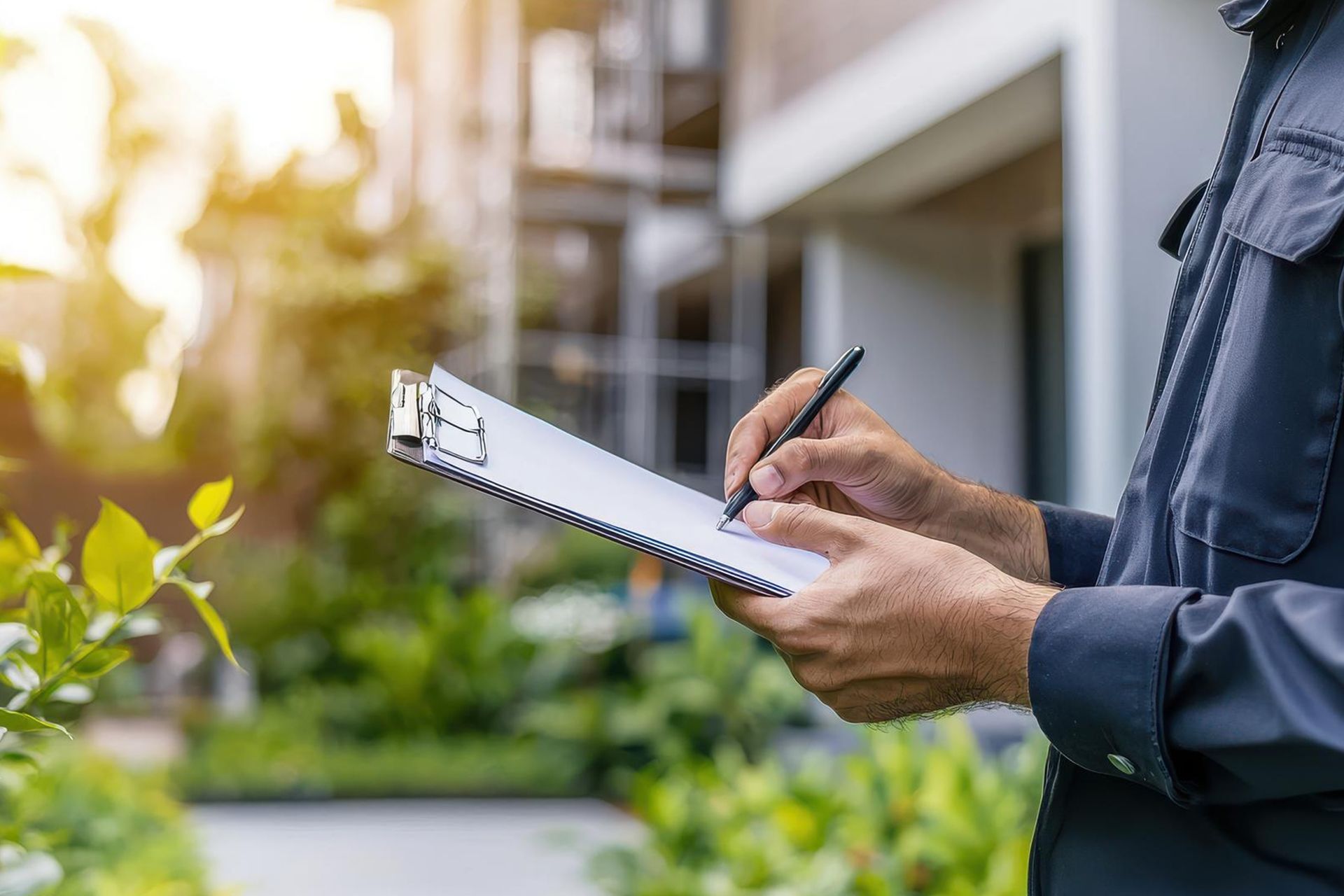
A WDO inspection is a non-invasive check done by a licensed professional to find out if any wood-destroying organisms are present in your home. This inspection is important because WDOs often live and spread in secret. You might not notice them until they’ve caused serious damage.
During the inspection, the expert will look at all accessible wooden parts of your home—inside and out. This includes:
- Wooden floors, stairs, and trim
- Basements and crawl spaces
- Wall studs and attic beams
- Exterior wood siding
- Areas with moisture (a big WDO risk)
They’ll also look for signs like insect droppings, damaged wood, mud tubes (used by termites), and other red flags. If there are dead tree stumps or wood touching the ground, these are conditions that could attract WDOs.
What Happens After the Inspection?
Once the inspection is done, the inspector will talk to you about what they found. Then, they’ll prepare a detailed report. This WDO report will include:
- The type and amount of any infestation
- Which areas of the home are affected
- Conditions that might lead to future infestations
- Recommendations for fixing the problem
- Prevention tips and cost estimates for treatment
This report helps you understand what’s going on and what you should do next.
Do You Need a WDO Inspection When Buying or Selling a Home?
A WDO inspection might not always be required by law, but it’s often needed if you’re buying a home with a loan. In Florida, for example, a WDO report is usually required for VA loans.
Even if it’s not required, it’s a smart move. For buyers, it gives peace of mind that you’re not buying a home with hidden damage. For sellers, it shows buyers that your property is clean and safe from pests.
Why WDO Inspections Matter
If left untreated, WDOs can cause thousands of dollars in damage. A full-blown termite or carpenter ant problem can even affect your home’s structure. That’s why it’s important to act quickly when you notice signs of a WDO infestation.
Getting a WDO inspection might cost some money up front, but it can save you much more in the long run. And once you have the report, you’ll know exactly what needs to be done to protect your home.
Call Guardian Angel Inspections Today
If you think you might have a WDO problem—or just want peace of mind contact Guardian Angel Inspections. We’ve been helping homeowners in Central and South Florida for over ten years. Our licensed, insured inspectors are experts at finding even the most hidden threats.
Call us at 561-512-7854 or fill out our contact form to schedule your WDO inspection today!
Don’t wait stop WDOs before they cause costly damage to your hom
Disclaimer: The information on this website and blog is for general informational purposes only and is not professional advice. We make no guarantees of accuracy or completeness. We disclaim all liability for errors, omissions, or reliance on this content. Always consult a qualified professional for specific guidance.
Share this entry
Recent Posts



Request A Quote
OUR OFFICE HOURS
Monday – Friday 7.30am to 7pm
Saturday Sunday 7.30am to 5pm
24/7 Online Scheduling 7 days a week.